
Between Correct and Natural
Short notes on the space between correct and natural, where English starts to actually sound right.
-

Multilingual speakers don’t have a thinking problem
Teaching ESL, I hear this all the time: “I know what I want to say. I just don’t know how to say it.” This is because multilingual speakers don’t struggle to think. They struggle to translate their thinking into what sounds right to someone else. Multilingual speakers are working with multiple options at once. Different…
-

Aha!
You don’t learn a word the first time you see it. You might recognize or understand it. But that doesn’t mean you can use it. The shift into usage happens later, when meaning attaches to the word. In Second Language Acquisition, this is called form–meaning mapping, or connecting a word to what it represents. Richard…
-
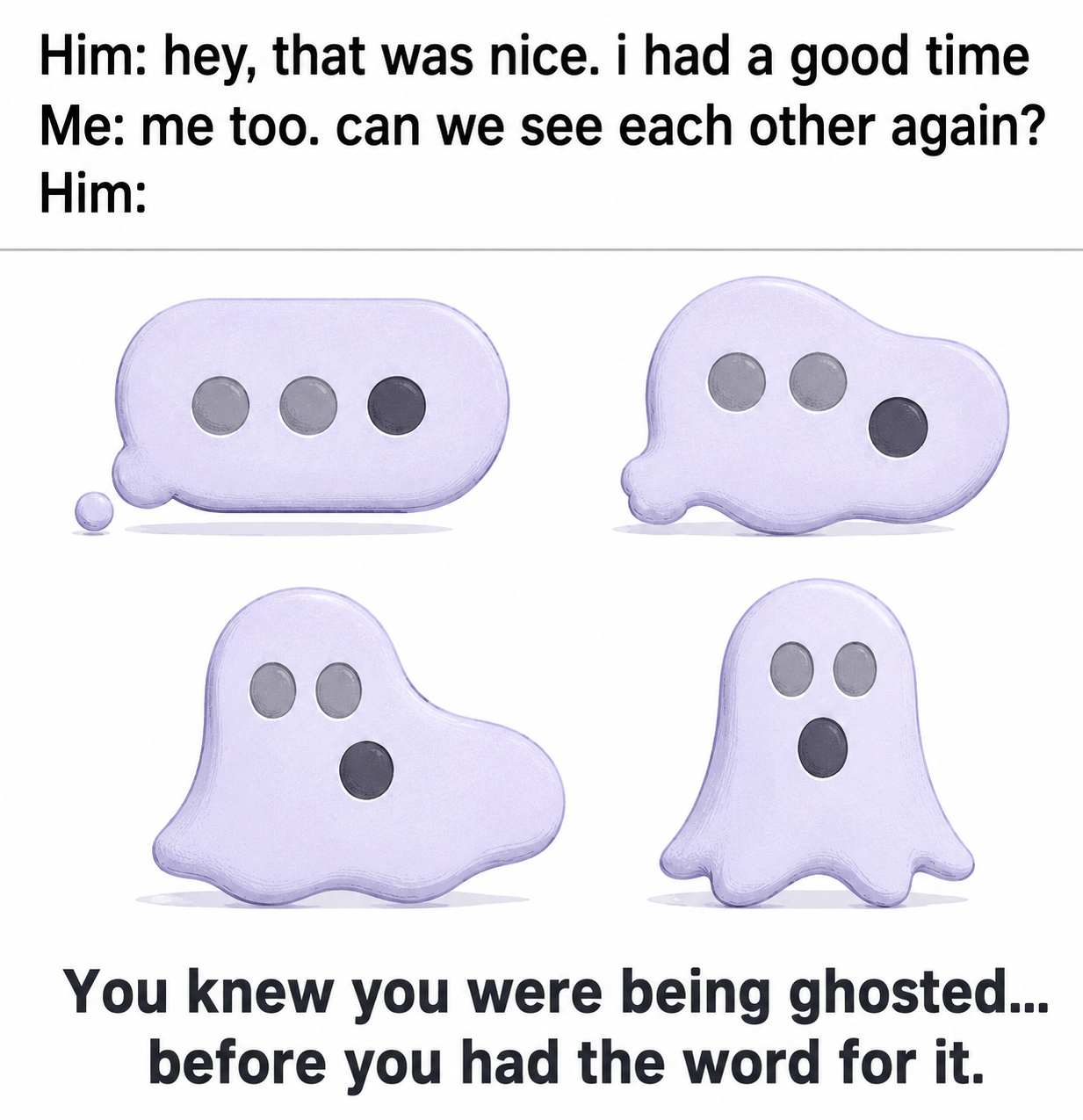
Does meaning start when you have the word?
There’s a moment before you have the word for something… Something feels off, but you can’t explain why, or when you realize there’s a word for an idea, like “sonder,” which is the sudden realization that every person around you has a life as complex as your own. Once you realize there’s a word for…
-
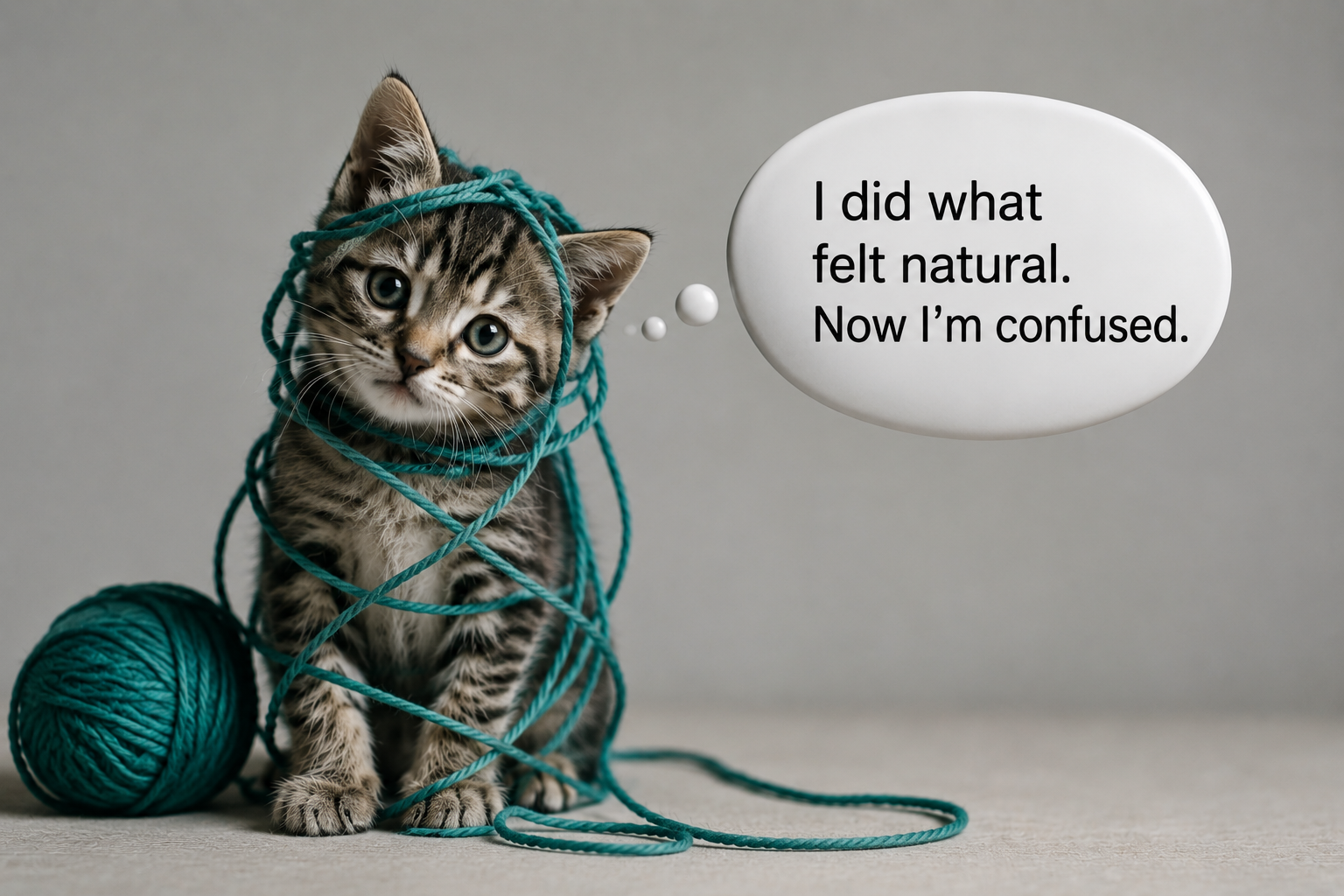
Why “do a mistake” sounds wrong
“I did a mistake.” You understand this sentence immediately. Nothing is confusing, but it still sounds off. “Make a mistake” feels natural. “Do a mistake” doesn’t, even though “make” and “do” are similar and both are grammatically possible. The problem isn’t grammar. This is a collocation: words that naturally go together in a language. Not…
-

Meaning doesn’t live in words
“Coffee?” What does that mean? The answer is: all of them. There’s no subject. No verb. No full sentence. But… it’s completely clear. That’s because meaning doesn’t live inside the word “coffee.” It comes from context: where you are, who you’re with, what just happened, and what both people already understand. Philosophers like Wittgenstein argued…
-
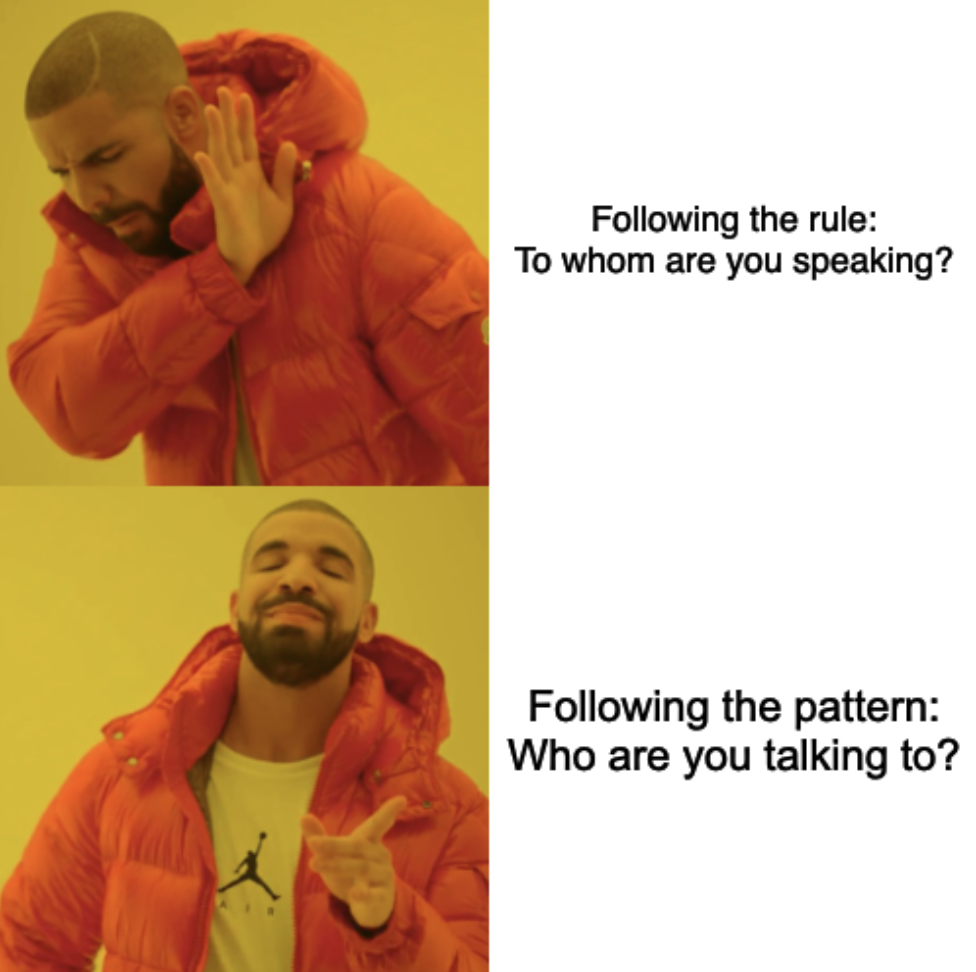
Native speakers break rules constantly
“Who are you talking to?” That sounds completely normal. No one stops mid-conversation to panic about a preposition. Buuuut teeeechnically, you’re not supposed to end a sentence with one. Most people don’t even know that rule. And even the ones who do ignore it constantly. Some rules come from formal grammar teaching, but real English…
-
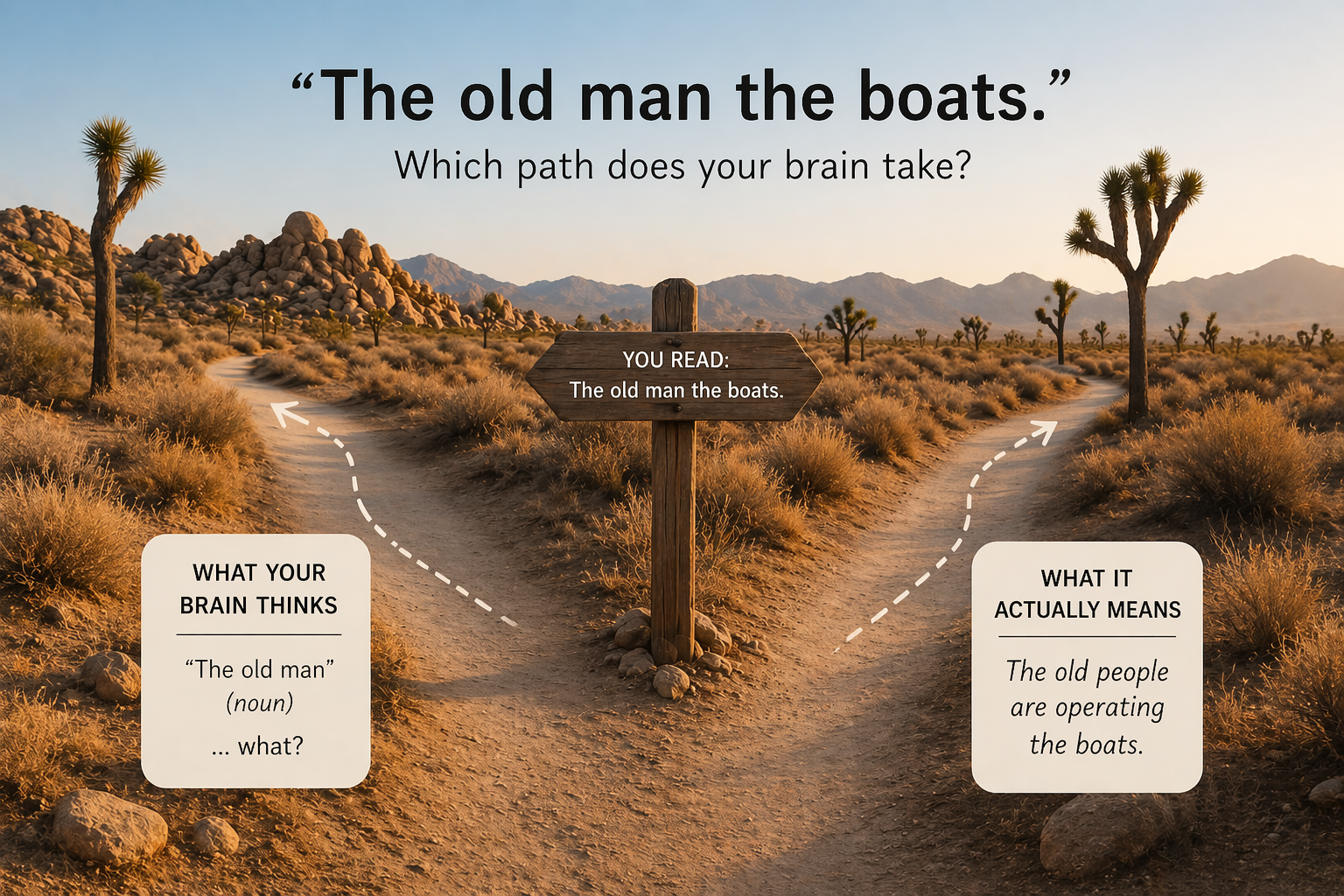
Garden path sentences: this sentence breaks your brain
“The old man the boats.” That’s it. That’s the sentence. It feels wrong. But it’s grammatically correct. Most people read it wrong the first time. Your brain tries to make sense of it… and fails. Garden path sentences are sentences that lead you toward one interpretation, then force you to go back and reinterpret everything—confusing…