
Advanced English
-

Breaking the rule is the rule (sometimes)
“Me and him went to the meeting.”“Sounds good.”“Gonna send it over.” You’ve been told these are wrong… yet you hear them constantly. In casual speech, meetings, emails, everywhere. Sometimes breaking the rule is a signal.“Me and him…” isn’t careless: it’s casual.“Sounds good” drops structure, but keeps the meaning fast and natural.“Gonna” isn’t incorrect: it signals…
-

Your English already has a personality
…you just don’t know what it is yet. You don’t sound random in English. It might feel like you’re only getting the words out, but if you examine your word choices, there’s a pattern. The way you disagree, the way you give feedback, and the way you turn something down all has a pattern. Let’s…
-
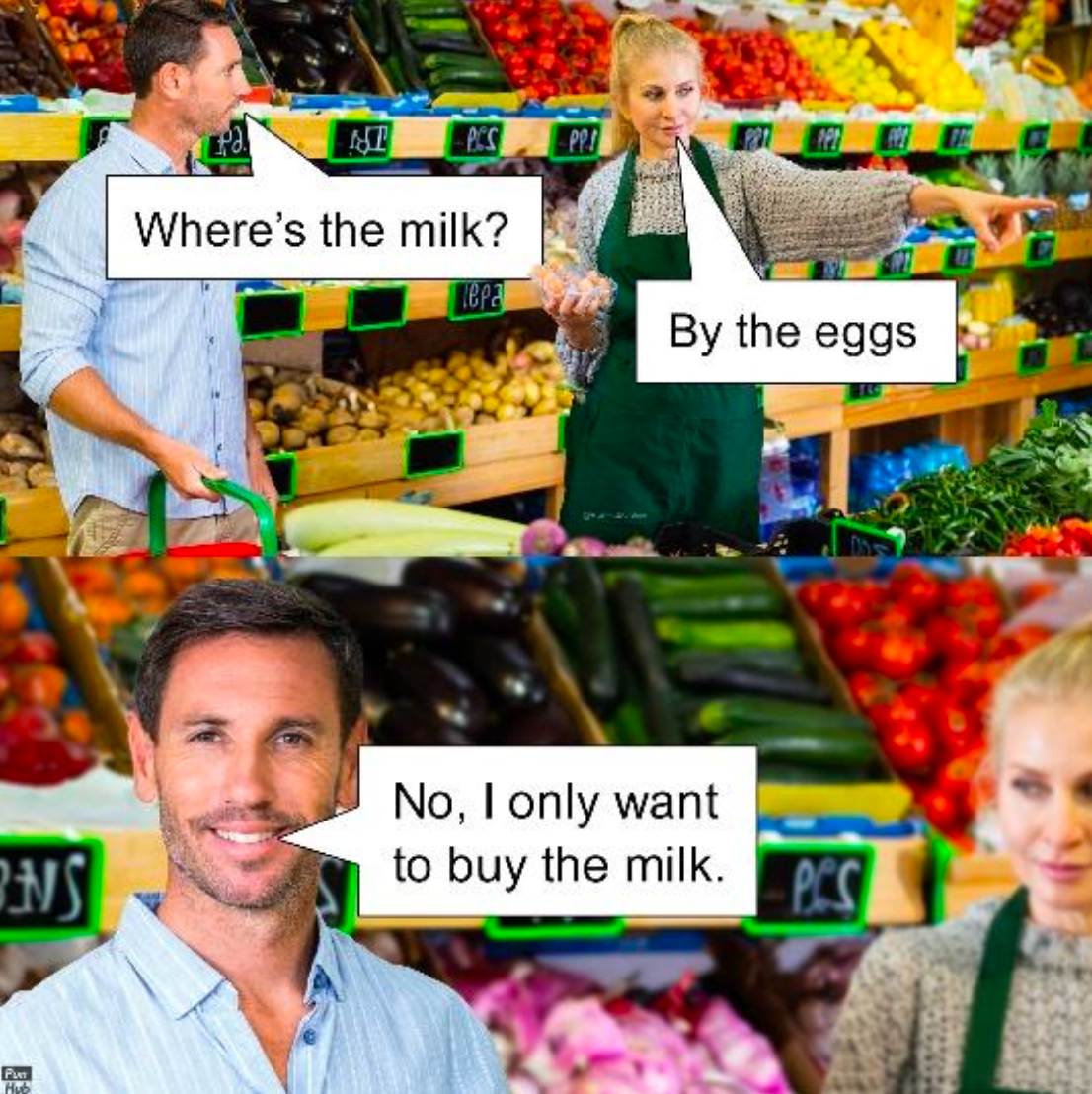
English is ambiguous, but you don’t ✨feel✨ it
“I saw her duck.”“Let’s meet next Friday.”“I’m on my way (just left my house).” You probably understood all three instantly. Each one is ambiguous. “Duck” could be a verb or a noun. “Next Friday” depends on where you are in the week. “On my way” might mean five minutes or forty-five. Your brain fills in…
-

A sentence can be grammatically perfect… and still lose the room
A lot of multilingual professionals focus on using clean grammar, having a solid vocabulary, and figuring out whether a sentence makes sense. But what they say still doesn’t land the way they want. Persuasion isn’t built on correctness. It’s built on how language functions in real time. Aristotle mapped this out a long time ago…
-

“That’s not how I’d say it” isn’t a rule
There’s (unfortunately) a moment where someone hears a non-native speaker and decides, almost instantly, that something is off. They can understand the person, but it doesn’t sound like what they’re used to. A multilingual speaker might say something in a way a native speaker wouldn’t. They might use a slightly different structure, emphasize a different…
-

Aha!
You don’t learn a word the first time you see it. You might recognize or understand it. But that doesn’t mean you can use it. The shift into usage happens later, when meaning attaches to the word. In Second Language Acquisition, this is called form–meaning mapping, or connecting a word to what it represents. Richard…
-
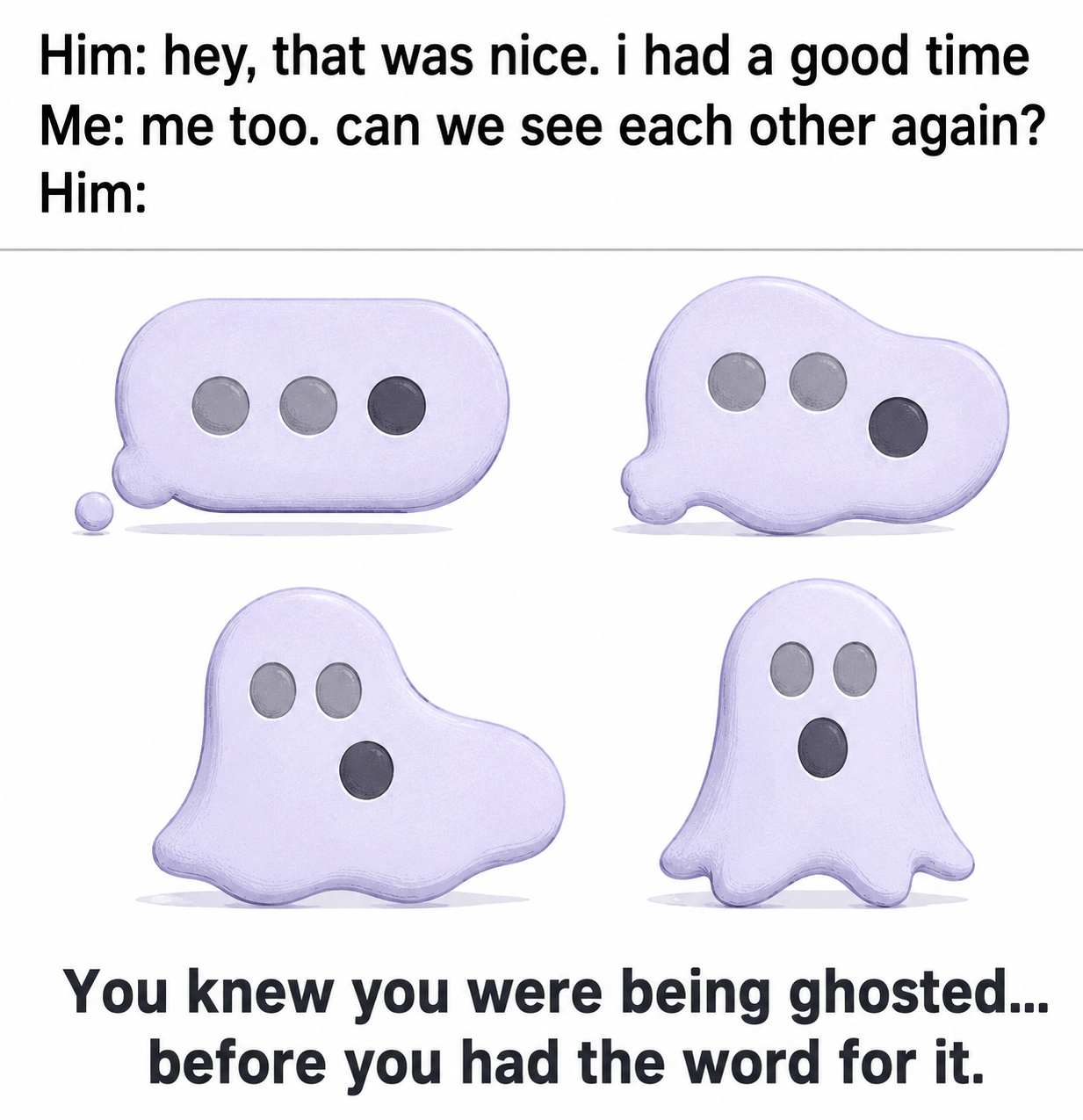
Does meaning start when you have the word?
There’s a moment before you have the word for something… Something feels off, but you can’t explain why, or when you realize there’s a word for an idea, like “sonder,” which is the sudden realization that every person around you has a life as complex as your own. Once you realize there’s a word for…